Lunch Counter Rapid
Morning light on Lunch Counter Rapid
Position your camera from the riverbank to capture rafters navigating the primary standing wave. Best during morning hours.

The whitewater section of the Snake River south of Jackson is photographed far more than it is paddled, mostly from a handful of fixed vantages above the rapids. This Snake River Whitewater Rafting Photos guide explains what those images show, who takes them, and how river flow changes them from week to week. It also sets out when the water in the canyon looks its clearest.
Quick answer
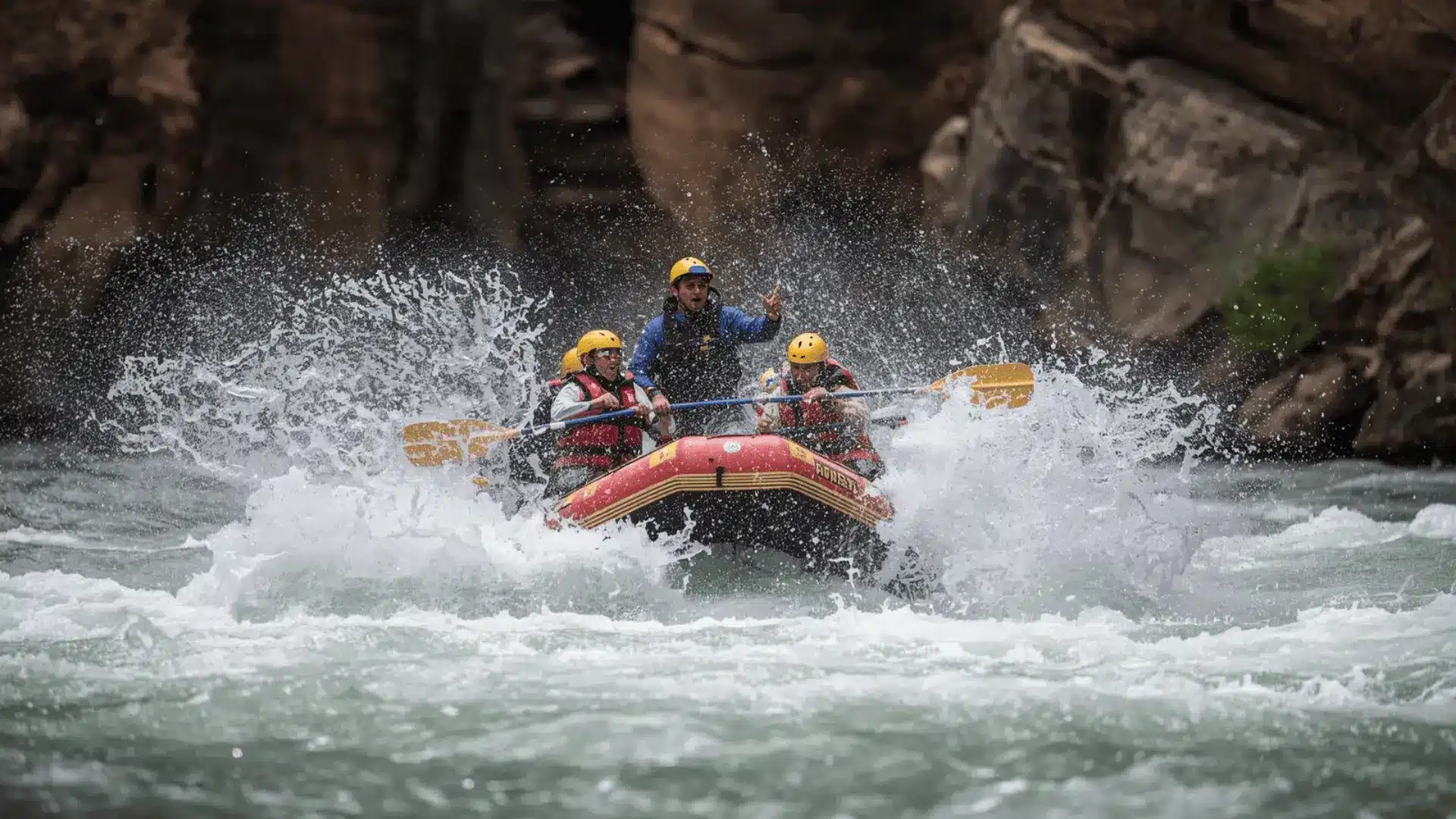
Snake River Whitewater Rafting Photos mostly come from the eight-mile canyon run between West Table and Sheep Gulch, shot between 08:00 and 16:00 when river flows and daylight align. Splash frames concentrate at the Kahunas and Lunch Counter. Commercial outfitters supply on-river images; independent shooters work the Highway 89 shoulder above the rapids. Late August flows run lower and clearer, which softens the biggest waves.
The most reproduced image of Snake River whitewater is not taken from a raft at all. It is shot from the shoulder of Highway 89, looking down on the standing wave at Lunch Counter, where kayakers and river surfers hold position for minutes at a time while paddle rafts drop in behind them. That single vantage explains why so many Snake River whitewater rafting photos resemble one another: a wall of green water, a raft folded at the middle, six people in helmets and matching splash jackets. Knowing how those frames are made separates collecting someone else's pictures from making your own. Two kinds of photography happen on the eight-mile canyon run between the West Table Creek boat launch and Sheep Gulch. Commercial outfitters post a photographer at one fixed rapid, usually Big Kahuna or Lunch Counter, who fires a burst as each boat drops through; the resulting gallery is offered to guests after the trip. Everyone else works around water. Phones and mirrorless bodies do not survive a Class III wave train, so passengers who want their own frames commit to a tethered waterproof case, a helmet mount, or a dry bag that stays shut until the flatwater below Ropes. Guides discourage loose cameras for a plain reason: a dropped lens is unrecoverable in silt-laden current. Flow decides what any given day looks like. This stretch runs on releases from Palisades Reservoir upstream, managed for irrigation rather than recreation, so June and early July deliver the largest waves and the muddiest water, while mid-August through September brings lower, clearer, greener water and rapids that read as crisp rather than chaotic. In late August 2026 the river sits in that later regime. Light matters nearly as much. The canyon walls are steep and the corridor bends roughly east to west, which leaves the rapids in shadow early and late; the middle of the day, awkward for most landscape work, is when the waves are actually lit. That is why the recommended window falls inside full daylight rather than at dawn. Read the frames before booking anything. A gallery of oar boats carrying dry passengers describes a scenic float, while paddle rafts with a wave breaking over the bow describe the canyon run, and the two are sold as separate trips by the outfitters working out of Jackson and Alpine. Snake River rafting photography also reveals seat position, since bow riders take the water and stern riders stay drier, and it shows whether a company runs the bigger rapids or lines around them. Anyone comparing Snake River Canyon whitewater tour images across operators should check dates, because a July photograph and a September photograph of the same rapid can look like two different rivers. Used carefully, Snake River whitewater rafting photos become a planning tool rather than souvenirs: they indicate which rapids a trip actually enters, how wet the seats get, and what the water will look like in the week of a visit. The trip pages on this site list current departures, and later sections cover shooting positions, timing, permits and conduct.
“A July photograph and a September photograph of the same rapid can look like two different rivers.”
Morning light on Lunch Counter Rapid
Position your camera from the riverbank to capture rafters navigating the primary standing wave. Best during morning hours.
Mid-day sun at Sheep Gulch
The river bend provides a wide perspective of groups entering the canyon. Optimal for capturing wide shots of rafting boats.
Snake River Canyon bridge view
Use the high vantage point on the bridge to photograph the river carving through the canyon floor below. Best with high sun.
Big Kahuna rapid rafting action
Focus on the center of the rapid to capture the splash and action as rafts crest the waves. Ideal in bright conditions.
The best arrival window for photography and whitewater activity is 08:00–16:00, which aligns optimal river flow volumes with consistent natural lighting conditions. Planning your visit within this timeframe ensures the most favorable angles for capturing action on the water.
Cooler mornings; highs 60–70°F
High water levels provide the most dynamic rafting action for photography.
Warm; highs 75–85°F
Consistent daylight hours support steady light for water action shots throughout the day.
Mild; highs 60–75°F
Lower water levels offer clearer visibility of geological features along the canyon walls.
—
Early arrivals within the 08:00–16:00 window minimize glare and avoid peak mid-day river traffic.
Verdict: For the best photography conditions, aim for weekday mornings between 08:00 and 16:00 during the months of June or September.
Snake River Canyon is located along Hwy 89, south of Jackson, Wyoming. The most direct approach for accessing river vantage points and rafting launch areas is by private vehicle driving south from Jackson.
Hwy 89 from Jackson, WY
Hwy 89 to Snake River Canyon
Parking is available at designated pullouts along Hwy 89, but spaces fill quickly during peak hours. Plan your travel to arrive within the recommended window to ensure easier access to river observation points.
Photographing whitewater on the Snake River means working from a moving raft in Class II–III water, where a dropped camera is gone and a distracted paddler affects the whole boat. Guide instructions and river-corridor access limits take priority over any shot.
Everything you need to know about snake river whitewater rafting photos
You are welcome to bring a waterproof camera or action cam to capture your own snake river whitewater rafting photos during the trip. Many rafters prefer using a secured chest or head mount to keep hands free for navigating the rapids. Always ensure your equipment is tethered to your life jacket to prevent losing it in the current.
The best arrival window for light and river flow is 08:00–16:00, which provides optimal conditions for both whitewater activity and high-quality imagery. Planning your trip within these hours ensures you have sufficient daylight to document the dramatic scenery of the canyon.
While many guests take personal snake river whitewater rafting photos, some professional guides or third-party companies operate along the route to document the action. Check with your specific rafting provider before your trip to see if they offer professional image packages for your group. These services often capture the most intense moments in the rapids that are difficult to film manually.
Access to the river area requires a 5 USD recreation vehicle permit for Snake River Canyon access. This fee covers the vehicle entry, allowing you to reach the launch points where you can begin your journey and start taking photos. Please ensure you have this permit sorted before arriving at the site.
For the best protection, use a dedicated waterproof housing or a dry bag specifically designed for aquatic sports. Many rafters find that a floating strap or a locking mount is essential to keep their gear safe when navigating the water. Avoid loose straps that could get snagged during the more turbulent sections of the river.
Professional photography equipment may be restricted by tour operators for safety reasons during active paddling. If you are planning a shoot, always confirm rules with your rafting company to ensure equipment does not interfere with safety gear or navigation. Keeping your kit compact is the most effective way to enjoy the river environment while documenting your adventure.
Snake River Rafting Difficulty
Read more Tickets & toursIdaho Snake River Rafting
Read more Tickets & toursGrand Teton Snake River Rafting
Read more GuideRafting Safety and Requirements
Read more Tickets & toursJackson Hole Whitewater Rafting
Read more Tickets & toursWyoming Snake River Rafting
Read more